英語
Using Sport to Increase Possibilities in Children’s Hospitals
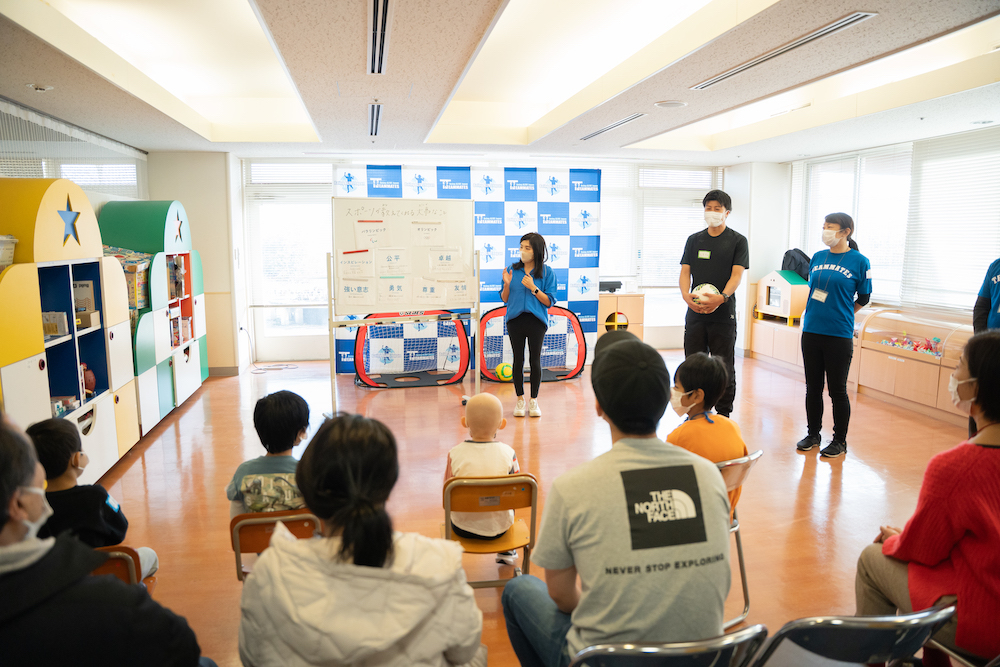
In April of 2015, she began with the very hospital school she had attended, bringing her idea to the hospital staff. At first, the hospital was very uneasy about the safety of introducing sports programming to their school, so Hana bought brand new accessible sports equipment to mitigate the risk of infection and injuries during play. To the hospital, she brought a small group of volunteers, who had undergone blood tests and vaccinations to ensure the utmost safety for the children.
The goal of the program was not to teach the kids sports skills, but rather give them the opportunity to feel that they had control over their treatment process, try something new, and make connections.
Over 5 weeks of games, the children had the opportunity to discover what they could do, rather than focusing on what they couldn’t do. This hospital volunteer program became Being ALIVE Japan (BAJ), gaining certification as a non-profit organization one year later. In the next ten years, the BAJ hospital program has expanded across nine total hospitals in Japan.
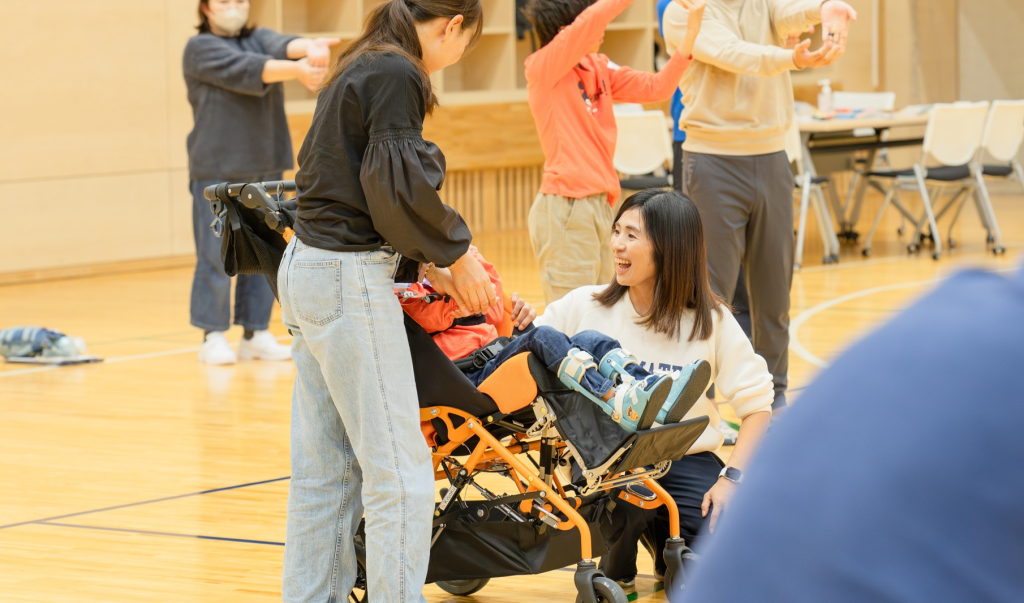
As of July 12th, 2026, 112 college and professional athletes have played at the hospital through BAJ’s program. We asked four to share their experience in the program.
Risako Kikuchi is a current field hockey athlete at Waseda University, and a member of the BAJ leadership program. Outside of the program, Risako works at an elementary after school program in her area. She loves working with kids, and has a lot of experience doing so. Twice, Risako has attended the hospital to run hockey programs with the kids.
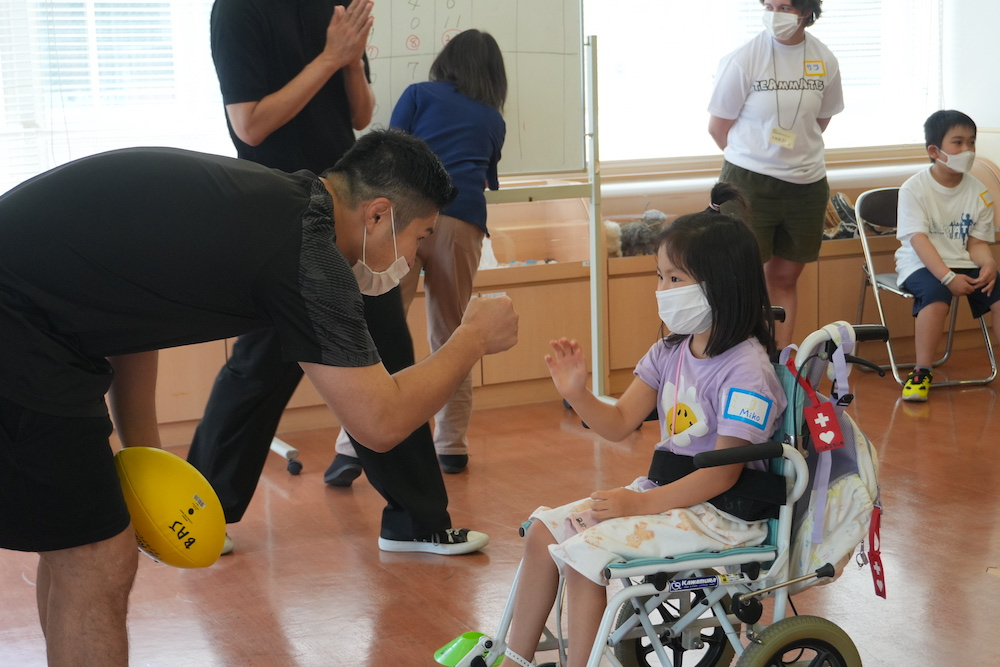
At first, Risako felt that it would be totally different to work with the children undergoing long-term hospital stays from her after school kids. After chatting with the kids at her hospital program more deeply, she realized “they are just kids. They like to talk about their hobbies…they like to talk a lot, so it is not different, it is the same.” While all of the children are undergoing different struggles, some in wheelchairs and some with tubes, Risako said that “all of them can enjoy sports”. The shared experience of “team” despite their different struggles creates meaningful friendships for the children. Risako added that it gives a unique perspective to the athletes. When you meet kids in the hospital where they undergo their treatment, you can understand how they spend their lives.
Mitsumasa Harayama met Being ALIVE Japan while playing for the Red Hurricanes Osaka professional rugby team. In fall of 2022, his team was matched with Leo Jacob Takahashi through the TEAMMATES program. Curious to do more work with BAJ, he helped Hana to run a rugby program at the National Center. He stated: “because athletes are figures children look up to and hold significant influence, I believe they should engage in hospital-based initiatives to bring vitality to these children.” While He has since retired from professional rugby, he has not stopped giving energy to the BAJ hospital program. During his career, participating in the program served as a source of motivation for him to perform better in his sport. Upon retirement, this work “fuels [his] professional drive; [he] considers this a wonderful initiative, and intends to continue participating.”
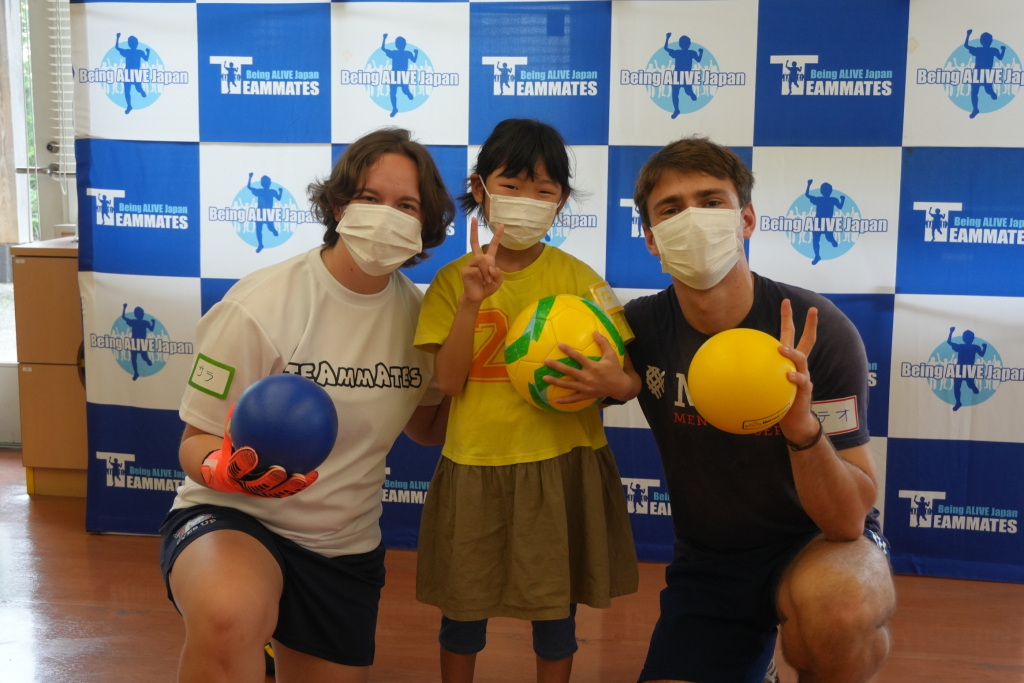
Sarah and Theo are American students who flew to Japan to work with Being ALIVE Japan for the summer of 2026. In that time, they participated in 7 hospital programs in 3 different hospitals in Japan. Neither of them can speak much Japanese, but that didn’t stop them from forming meaningful connections with the kids in the hospital.
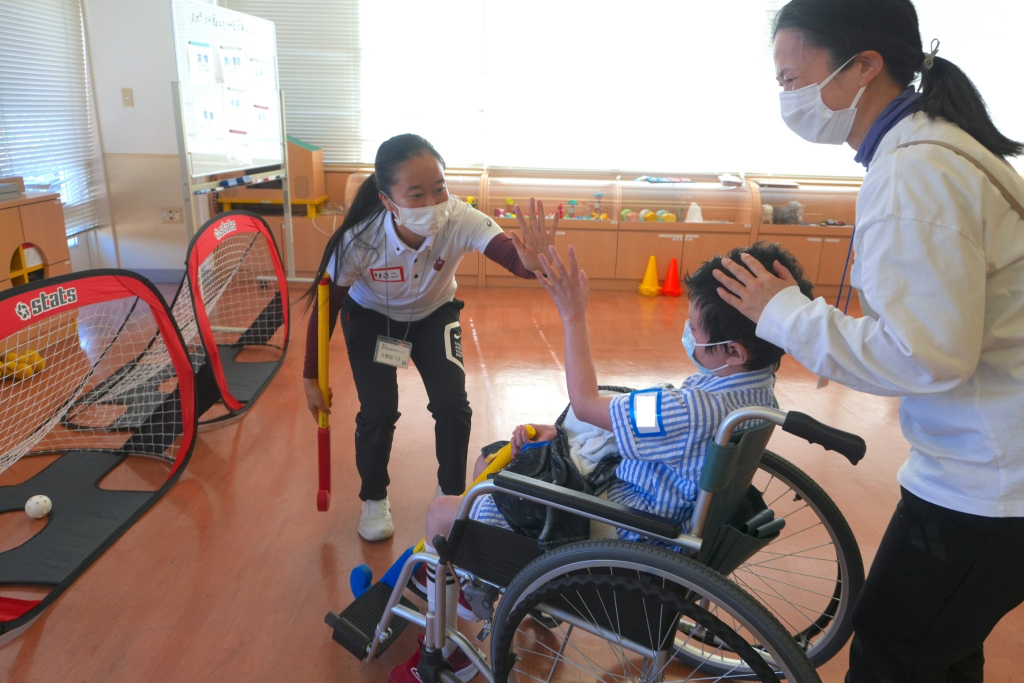
For 5 weeks, they helped to run the hospital program in the National Center for Child Health and Development. This program is special because it is a recurring program. While often the athletes and sports change each week, the children participating are typically the same across the season. Sarah said that one of the coolest parts of the program was that they were able to attend each week, meeting the same kids repeatedly. Every week, Sarah waited eagerly to see a girl again, a child that she had hit it off with in week one. “She didn’t care that I couldn’t fully speak with her, she kept trying anyway, giving me lots of giggly high-fives, and letting me practice my broken Japanese sentences.” Every week, the girl and Sarah were on the same team, coming up with new silly team names together, cheering “ganbare”, and sharing smiles. Despite undergoing challenging medical treatment, the girl was always excited to be there. “She showed me what was possible for these children, beyond my initial expectations of the program.”
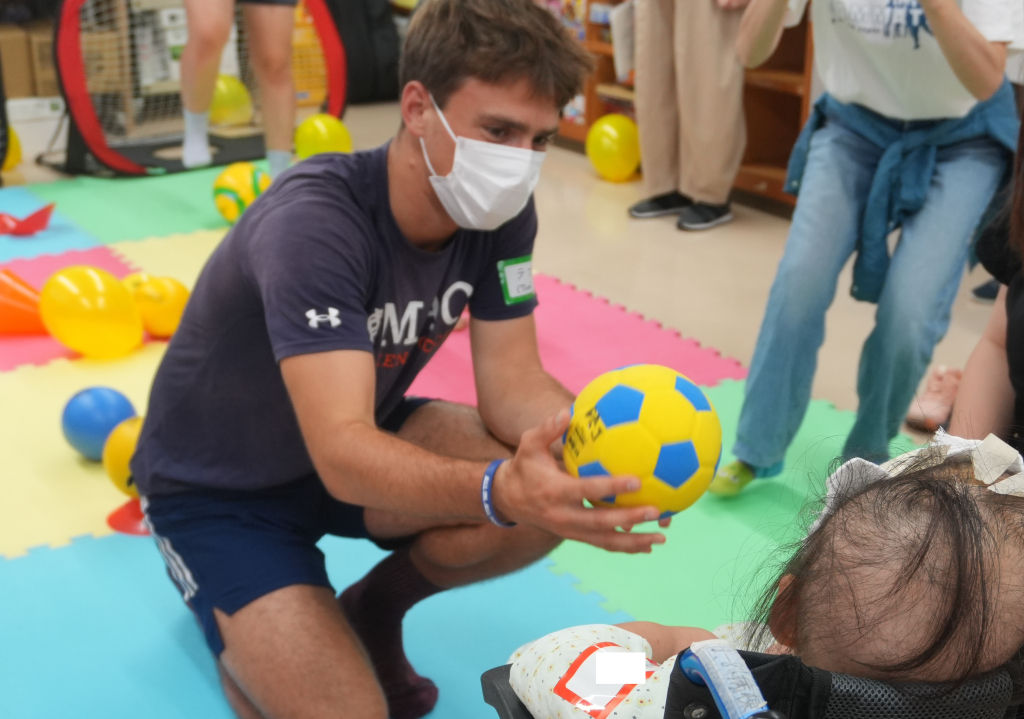
Outside of their time in the National Center, Theo and Sarah also visited the Yokohama City University hospital, one of 4 other hospitals BAJ is currently working with. At this session, they also worked with preschoolers. The first child arrived in a wheelchair, with unfocused eyes. He was clearly in a lot of pain, and appeared unengaged with the event. Theo became anxious that he would not be able to make the program a good experience for him. Unsure what to do, he started playing with blocks by himself, knocking them down with the ball. Eventually, becoming more comfortable, the preschooler asked for the ball. Theo knelt alongside him as he pushed the ball back to him. After a few tries, he threw the ball into the goal next to him, letting out a big laugh. After that, he tried a kick, with a big smile on his face. He had the bravery to try something new, particularly difficult for him, and they were able to bond over this small game.
“I’ve played soccer my entire life, and in this moment I felt, more clearly than ever, how powerfully sport brings people together. We did not speak the same language, I couldn’t relate to the daily pain he feels fighting for his life, and yet in just a few minutes together with a ball, we were able to make a meaningful connection and he was able to grow comfortably into his expressive, excited, youthful self.”
In Japan, ~6,400 children are hospitalized for more than one month every year. While Japan has hospital schools, elementary aged children’s daily lives are limited to going back and forth from the playroom and their room on the ward. The Being ALIVE hospital program gives them another space, where they can truly be a kid and try new things. At the same time, it creates an immense impact in the lives of the athletes who experience it, giving them immense perspective, and drive to succeed in work and their sport.
Author: Sarah Solomon